
HazMit resource • Updated October 30, 2026
Why mold keeps coming back and how to fix the real cause
Mold can return when leaks, humidity or damp materials remain. Learn how removal and moisture correction work together. Get a free Indiana assessment.
Recurring mold is a clue about moisture
A cleaned patch that grows again is a reason to look beyond the surface. Mold needs moisture. A leak, condensation, damp ground or poor ventilation may keep supplying it even when the visible growth is wiped away. Repeated cleaning can make the room look better for a while without changing the conditions that supported growth.
EPA's central guidance is to clean up mold and fix the water problem. Those tasks belong together. A fresh coat of paint or a strong cleaning smell does not establish that the cause has been corrected. Begin by recording where growth appears, when it returns and what weather, plumbing or building use changes happened before it was noticed.
Leaks and wet building materials
Roof, plumbing and drainage problems can wet materials where the moisture is not immediately obvious. Drywall, insulation and stored absorbent items may remain damp after the visible water disappears. The location of growth is useful information, but it does not always identify the original source. Water can travel before it shows on a wall or ceiling.
Repairing the source is essential. EPA recommends drying wet materials promptly, generally within 24 to 48 hours where possible, to help limit mold growth. That guidance is not a guarantee that every wet material can be saved. Existing growth, material condition and how long it stayed damp affect the cleanup and replacement decisions.
Humidity, condensation and ventilation
Sometimes no obvious leak is present. Humid air can contact a cold surface and produce condensation. A poorly ventilated room may stay damp after normal use. A basement or crawl space can add moisture from the ground. These conditions may change seasonally, which can explain why growth returns at a particular time of year.
EPA guidance recommends keeping indoor relative humidity below 60 percent, ideally between 30 and 50 percent where possible. That is a general prevention target, not proof that a room is free of mold. Measurements, drainage and building conditions need to be considered together. A dehumidifier can reduce airborne moisture but cannot repair a pipe or stop an ongoing leak.
What removal needs to accomplish
Mold remediation means controlling the work area, removing mold and affected materials, then cleaning and treating the agreed surfaces. Containment separates the work from nearby occupied spaces. Materials and site conditions determine the appropriate controls. A small reachable surface and contaminated insulation inside a wall are not the same task.
Removal should connect with drying and cause correction. If a specialist roof, plumbing or building repair is needed, the written scope should make that dependency clear. Hidden conditions can change the plan once materials are opened. Clear communication is better than calling a surface clean while leaving the property team unsure about a continuing leak.
Prevention products have distinct jobs
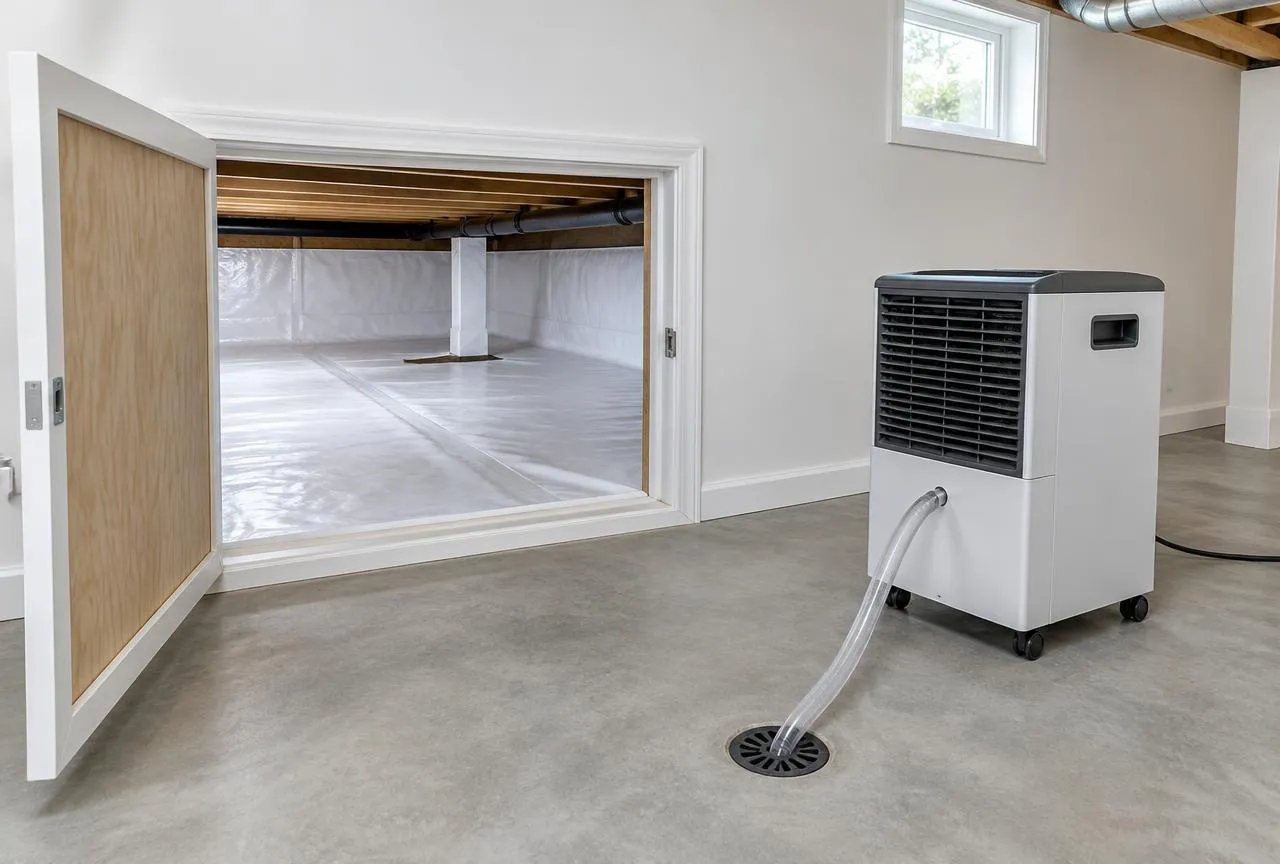
A crawl space vapor barrier limits moisture moving from exposed ground into the space. Its seams and penetrations need proper detailing. It does not solve standing water or an active plumbing leak. A dehumidifier removes moisture from the air and needs correct sizing, airflow and a reliable drain. Both may be useful when a property has more than one moisture source.
Ventilation and building repairs can be just as important as equipment. Prevention should be selected because the assessment shows a need, not because every cleanup is sold with the same add-ons. The owner also needs instructions for filters, drains and avoiding damage to an installed barrier during later work.
Black mold is not a diagnosis by color
People often use black mold removal to describe dark growth. Color alone does not reliably identify a mold species or its health risk. Visible growth and damp materials deserve attention regardless of color. Avoid diagnosing the problem from an internet image or assuming that a light-colored patch is harmless.
EPA describes possible allergic reactions and irritation from mold, with effects varying between people. If you have symptoms or concerns about a vulnerable occupant, seek healthcare advice. A remediation contractor handles the property condition, not a medical diagnosis. Cleaning and moisture prevention should not be presented as a guarantee about anyone's health.
After the cause is corrected
Keep a simple record of repairs and equipment maintenance. If mold reappears, note whether it is at the original location or somewhere new. New growth may indicate new water entry, damaged prevention or another moisture source rather than the same unresolved condition. Share that history during any follow-up assessment so the response addresses what changed.
A practical plan for the property owner
Record the leak history, rooms affected and any repairs already completed. Take photos only when you can do so safely. Do not disturb a large contaminated area or enter an unstable crawl space simply to get measurements. Discuss containment, affected materials, moisture correction and prevention in the same assessment so responsibilities are clear.
HazMit provides mold remediation and prevention for commercial buildings, homes, basements and crawl spaces across Central and Southern Indiana. We also provide bird waste cleanup and bird control where those hazards affect the same property. Request a free on site assessment for a written scope that removes the growth and addresses the reason it returned. We reply to quote requests within one business day.