HazMit resource • Updated October 30, 2026
Is bird poop dangerous? Health risks and safe cleanup
Learn the health risks of accumulated bird droppings and how professional cleanup controls dust. For safe Indiana bird waste removal, get a free quote.
The short answer
Bird poop can be hazardous to disturb, especially when it has accumulated in a dry, enclosed or heavily used area. The concern is not simply that the surface looks dirty. Disturbing contaminated material can release dust and environmental fungal spores. People may breathe that dust during sweeping, scraping, maintenance or demolition. The amount of waste, the condition of the material and the work being performed all change the risk.
This does not mean every deposit is infected or every exposure causes illness. It does mean a loading dock full of dried droppings should not be treated like a routine housekeeping spill. Keep people away from the buildup and arrange a site assessment. If anyone has symptoms or a health concern after exposure, a healthcare professional is the right person to contact. Property cleanup is not a medical diagnosis.
Histoplasmosis and cryptococcosis, in plain words
Histoplasmosis is an infection caused by breathing in spores of the Histoplasma fungus. CDC and NIOSH describe risks from disturbing contaminated material, including accumulations associated with bird or bat droppings. The fungus and exposure conditions matter. The birds themselves are not a reliable way to tell whether a particular deposit poses a fungal risk.
Cryptococcosis is another fungal infection. CDC explains that Cryptococcus occurs in the environment, including bird dung, and infection can occur after inhaling spores. Individual health affects susceptibility. These are reasons to reduce uncontrolled dust, not reasons to assume every person near a bird has been harmed. A professional cleanup plan considers the work environment and avoids unsupported promises about eliminating all health risks.
Why commercial buildings need a site plan
Warehouses, loading docks and industrial plants often combine elevated roosts with busy ground-level operations. Waste may sit above equipment, stored products, walkways or air intakes. Scraping a beam without controlling the work area can move contamination to places that were clean. A plan should consider the people below, nearby equipment and how the building will continue operating.
Outdoor ledges can still need controls. Wind, working height and access equipment all matter. The assessment identifies surfaces to clean, items to protect, safe routes for waste removal and how occupants will be kept away from the work. Photos taken from a safe location can help describe the problem, but they cannot replace reviewing access and contamination depth at the property.
What safe bird dropping cleanup involves
HazMit connects three steps: hazardous cleanup in full PPE, nuisance bird removal, and prevention installation. PPE means personal protective equipment, including clothing, gloves and respiratory protection selected for the task. We remove droppings, nests and debris using controls appropriate to the site, then disinfect and sanitize the agreed area. Waste is handled and disposed of as described in the scope.
Dust control is central to the plan. Dry sweeping is not an appropriate shortcut for heavy accumulated waste. The methods and containment depend on the material, location and exposure conditions. Cleaning also reveals whether waste has damaged surfaces. Removing the deposit does not restore corroded metal, damaged roofing or weakened timber, so any repair needs are discussed separately.
Removal needs lawful species-aware planning
Active birds and nests can change the timing of cleanup. The species, whether a nest is active and where it is located affect the legal options. Do not move eggs or close an opening before that has been checked. Protected species need lawful removal or exclusion methods, and some situations require authorization or a later work date.
Lethal control is limited to non protected nuisance species such as pigeons, starlings and house sparrows, subject to applicable rules and local restrictions. Control is planned around people, pets and other wildlife. Bird removal alone does not solve an open entry point or a sheltered perch. A complete plan addresses the waste and the reason the birds chose the structure.
Prevention protects the cleanup investment
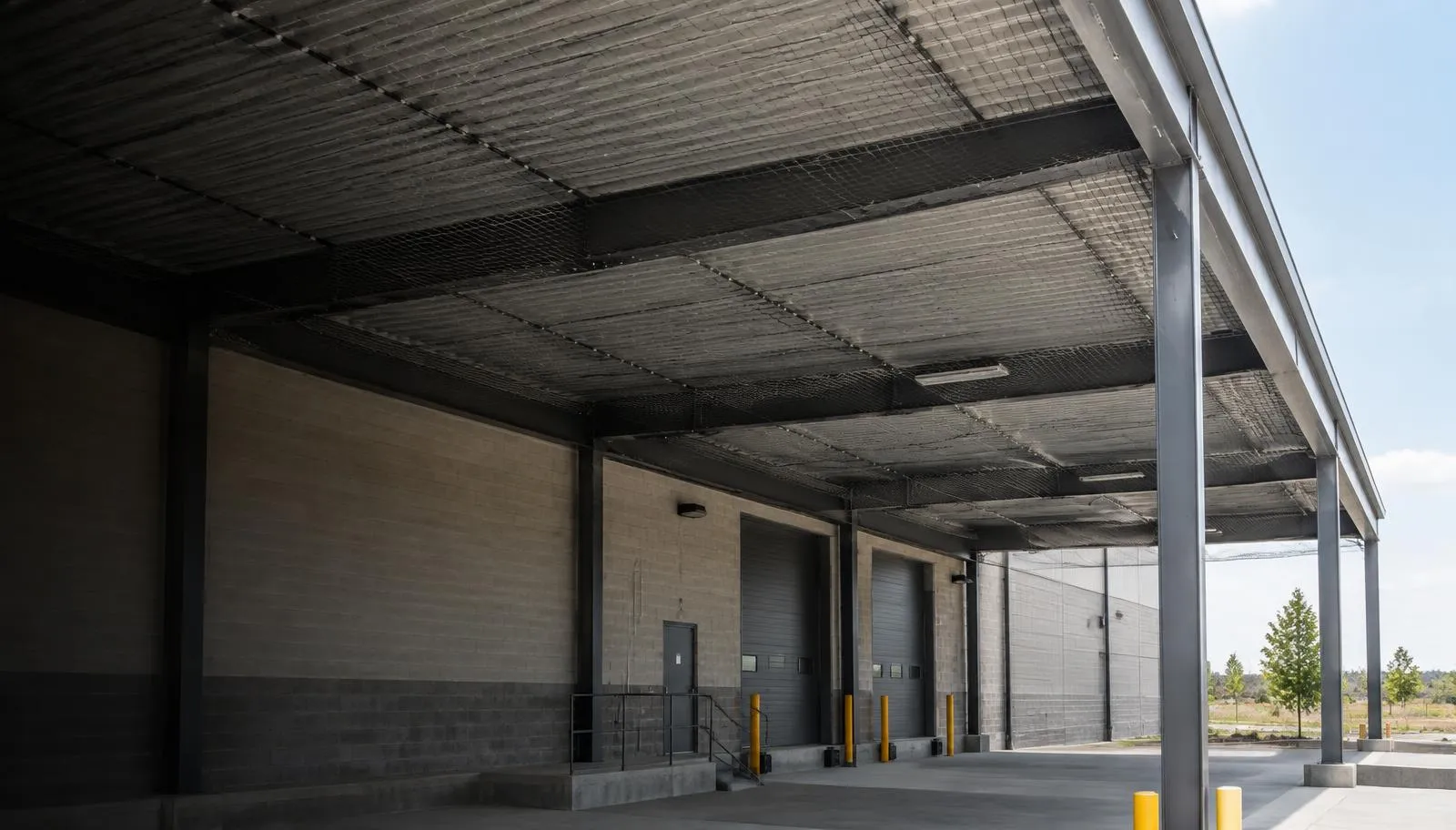
Bird netting can block access beneath a canopy or overhang. Spikes and wire protect suitable landing surfaces. Entry point sealing closes gaps into enclosed spaces. Each product has a purpose, and poor selection can simply move the roost to another part of the building. We assess the structure before recommending the combination.
Commercial sites can request recurring maintenance to check netting, fixings and new openings. Homeowners should watch for damage after roof work or storms. New building alterations can reopen access even after the original job is complete. If damp materials or mold are also present, ask about mold remediation and moisture prevention rather than treating two different problems as the same cleanup task.
What to send when requesting a quote
Send the city or ZIP, property type, affected location and whether birds are still present. Mention working height, any known access restrictions and nearby air intakes. A photo helps if you can take it without entering a hazardous area. Do not climb onto an unsafe roof, disturb a nest or stir up deposits just to obtain a better image.
HazMit is a mobile service based in Columbus, Indiana, serving Central and Southern Indiana. We provide a free on site assessment and a written scope that connects cleanup with control and prevention. Call during Monday to Friday, 9:00 AM to 5:00 PM, or use the quote form anytime. We reply within one business day so you can decide the next step without an obligation.