
HazMit resource • Updated October 30, 2026
How much does bird dropping cleanup cost for a commercial building?
See what affects commercial bird dropping cleanup cost, from waste depth and safe access to exclusion products. Ask HazMit for a free Indiana assessment.
Why one price per square foot can mislead
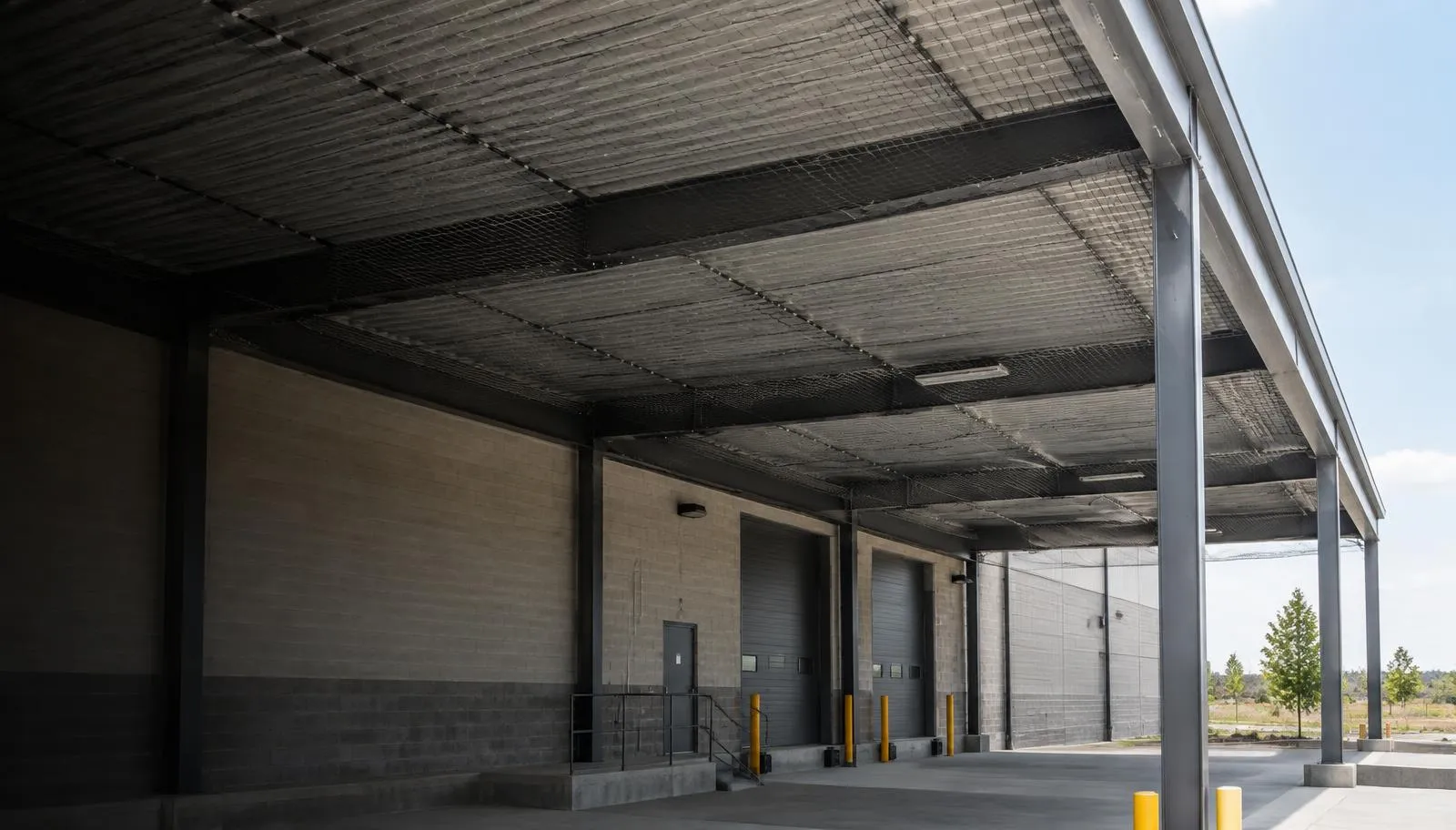
Commercial bird dropping cleanup is priced around a work plan, not just a floor area. Two loading docks with the same dimensions may have very different conditions. One may have a thin deposit on reachable surfaces. The other may have years of compacted waste on elevated beams, active birds and an air intake nearby. The second project needs a different approach even if the visible area looks similar.
A useful quote tells you what will be removed, how the team will reach it, what must be protected and what prevention follows. An online number that ignores those details can understate the work or include tasks your property does not need. HazMit provides a free on site assessment and a clear written scope rather than a fixed price presented as if every building were the same.
Waste volume and condition
The depth and spread of deposits affect handling, time and debris volume. Loose dust, damp waste, nesting material and compacted layers do not behave the same way. The surface beneath the waste matters too. A cleanable ledge is different from damaged absorbent material that needs removal. Years of buildup may also conceal corrosion or other deterioration.
During an assessment, explain how long birds have used the structure and whether anyone has cleaned it previously. Photos can help show the location, but they do not reliably show deposit depth or the condition beneath it. Any repair needs discovered after cleaning should be discussed clearly. Cleanup is not automatically restoration of every damaged building finish.
Working height and safe access
Elevated rafters, rooftops and canopy undersides may require lifts or other access arrangements. The equipment must fit the site, reach the work and be used safely. Tight yards, low clearances, loading schedules and roof condition can limit options. Access costs are not extras invented after the fact when they are part of the real work plan.
Tell the estimator about restricted delivery lanes, locked roof access, fragile surfaces or machinery that cannot be moved. Do not enter an unsafe area to take measurements. The written scope should explain the access assumptions so a property team can arrange the required space, timing and permissions before work begins. Changes in access conditions can change the scope.
Containment and occupied-site coordination
Nearby people, equipment and air intakes can increase the controls required during waste removal. Containment means separating the work from surrounding areas to limit spread. Full personal protective equipment is selected for the task. The team must remove waste without turning a localized problem into dust over a wider area.
An active warehouse or industrial plant may need phased work around deliveries, tenants or production. That coordination can affect scheduling and labor. It is better to discuss operating constraints before approving the quote than to discover on the workday that the only safe access route is blocked. Site-specific controls are part of professional bird waste removal, not an optional cosmetic upgrade.
Bird control and prevention products
Cleanup removes the existing waste. Bird removal and exclusion address the cause. Species identification and legal restrictions influence control options and timing. Active protected nests may require a different schedule or authorization. A quote should not promise to close every opening immediately without checking whether birds, eggs or nestlings are inside.
Bird netting installation is measured and detailed for the opening being protected. Spikes and wire suit certain perches. Entry point sealing addresses gaps. The right combination depends on the species and structure. Compare the prevention scope as well as the cleanup price, because a cheaper cleaning-only proposal may leave the same roost producing new waste a few weeks later.
Debris handling, documentation and maintenance
The amount of waste and the route for handling it affect the job. Debris should not be dragged through clean occupied areas without a plan. Ask how waste will be collected, contained and disposed of, and what records will be provided. Documentation should describe the work actually performed rather than imply an inspection outcome that the contractor cannot promise.
Recurring commercial maintenance can be quoted separately from the initial cleanup. Visits may inspect netting, fixings, spikes, wire and new entry points, with targeted cleaning if agreed. The frequency depends on the property and bird activity. Maintenance is not the same as an unlimited warranty against every future deposit or building alteration.
How to compare quotes and get a useful assessment
Compare included surfaces, waste handling, access assumptions, control methods, exclusion products and follow-up tasks. Ask whether the price includes cleaning before prevention is installed and whether damaged materials or specialist repairs are outside the scope. Clear exclusions help avoid disputes. A short quote that says only bird cleanup may leave important responsibilities unclear.
Send HazMit the city or ZIP, property type, affected area and optional photos taken safely. Mention active birds, work height and scheduling restrictions. If the property also has dampness or mold, our mold remediation service can assess that separate issue. We come to commercial and residential properties across Central and Southern Indiana, with a free assessment and a written price based on what your site actually needs.