HazMit resource • Updated October 30, 2026
Bird netting vs bird spikes: which one does your building need?
Compare bird netting, spikes, wire and entry sealing for commercial buildings. Choose prevention that fits your Indiana property. Get a free HazMit quote.
Start with the roost, not the product
Bird netting and bird spikes are not interchangeable versions of the same solution. Netting closes access to a space. Spikes make certain landing surfaces unsuitable for perching. Choosing between them starts with where birds land, how they enter and what the building needs to keep doing. A product that fits a narrow sign may be wrong for an open loading dock canopy.
Before ordering anything, identify the birds and check for active nests. Protected birds, eggs and nestlings can change the lawful timing and methods. The structure also needs an access plan for installation and future maintenance. A prevention system should keep birds out without trapping them or blocking essential building equipment.
When bird netting makes sense
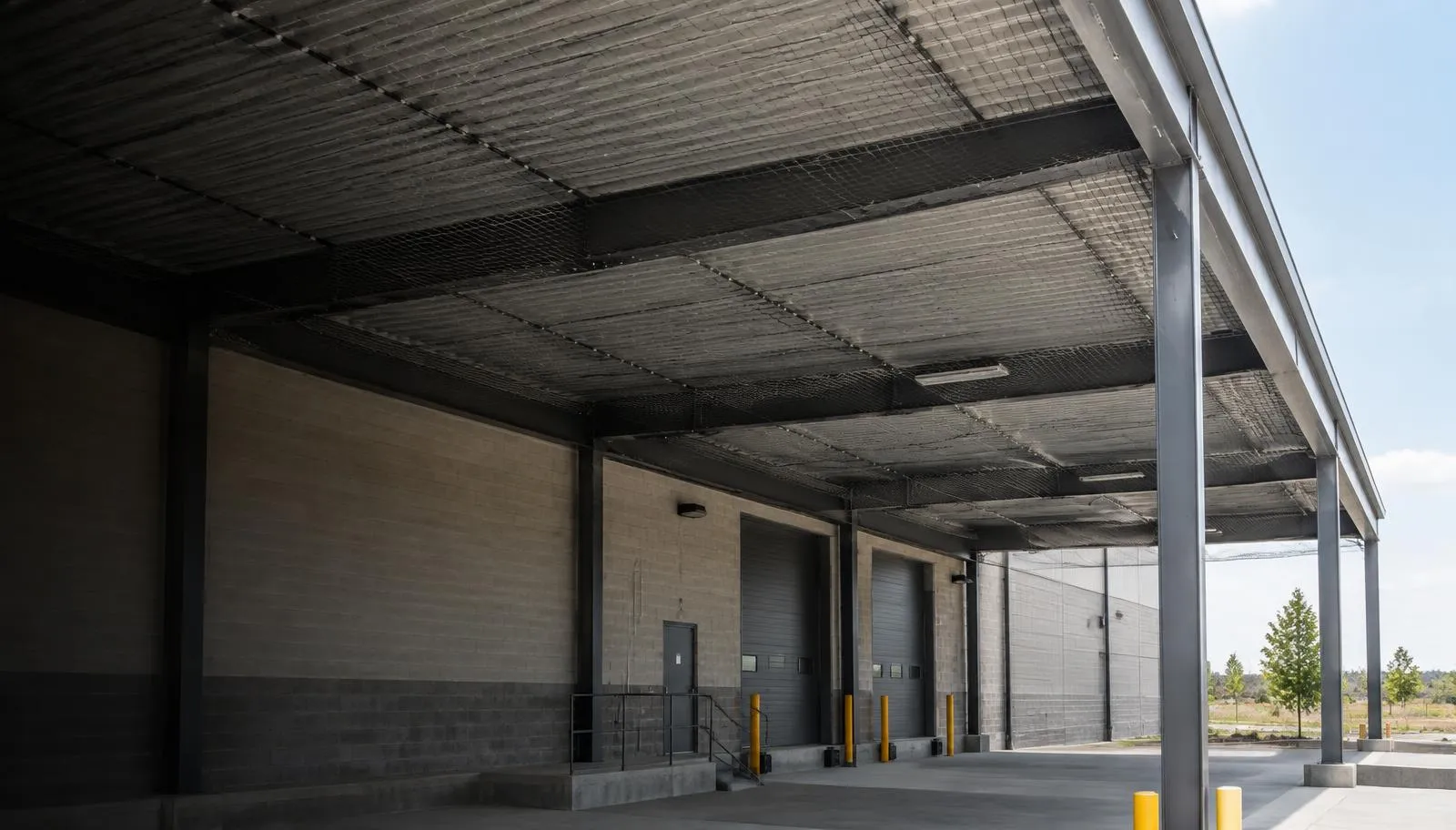
Netting provides a physical barrier across an opening or beneath structural spaces. Loading dock canopies, roof overhangs and exposed rafters can be suitable applications. The mesh, fixings, tension and edges must match the birds and the structure. Loose sections and small untreated gaps can undermine a much larger installation.
Consider access to lighting, sprinklers, signs and maintenance points before installation. A planned access panel is better than cutting the net after the work is complete. Installation should account for the building's normal use, wind exposure and support points. Product lifespan varies with material, weather, sunlight and upkeep, so a universal lifetime promise is not useful advice.
When bird spikes make sense
Spikes can discourage landing on suitable narrow ledges and perches. Their usefulness depends on the available surface, the target birds and whether adjacent landing places remain accessible. A single treated ledge may not solve a building with several sheltered roosts. The system should address the pattern of use rather than the first dirty spot someone noticed.
Spikes should not be installed over heavy waste or nesting material as a shortcut. Safe cleanup comes first, followed by installation on the prepared surface. Material choice and fixings need to suit the location. The goal is preventing landing, not injuring wildlife or assuming one product works on every bird.
Wire systems and entry point sealing
Wire systems can protect some landing surfaces where a different physical deterrent fits better than spikes. Entry point sealing closes holes into attics, soffits and enclosed areas. These measures can form part of the same plan as netting. None should be selected without confirming the birds and whether an opening is currently in use.
Sealing a gap while birds remain inside can create a welfare and legal problem. Active protected nests may require a pause or authorization. We plan lawful removal or exclusion before closing access. The right combination also considers open doors, nearby food sources and other parts of the property that can attract birds after the original perch is treated.
Clean the waste before fitting prevention
Accumulated droppings, nests and debris need safe handling. Disturbing dry material can create airborne dust and fungal exposure risks. HazMit uses full personal protective equipment and controls selected for the site, then disinfects and sanitizes the agreed area. Heavy waste is not a routine dry-sweeping job.
Cleaning also makes it possible to inspect the mounting surfaces. Waste can conceal damaged metal, deteriorated finishes or loose materials. Those conditions may need repair before products are fitted. An exclusion installation should not hide a building defect that later undermines the fixings or opens another route for birds.
Common reasons prevention fails
Unsealed edges, poorly tensioned netting and untreated neighboring perches can let birds return. New building work can create fresh gaps. A product may also be selected for the wrong species or fitted without resolving the active roost. Prevention is a site system, not a sticker that changes how the whole building is used.
Maintenance matters after installation. Check for storm damage, loose fixings and openings created by equipment work. Property teams should know whom to contact before altering netted areas. Commercial recurring maintenance can inspect the system and arrange targeted cleanup when needed. This reduces overlooked changes without promising that no bird will ever visit the property.
Before the installer arrives
Agree which delivery lanes and work areas need to stay accessible. Tell the team about planned building alterations, because new lights, signs or roof repairs may affect the exclusion design. Have the responsible property contact available to review access panels and product maintenance. A clear installation plan helps avoid later cutting, removal or unsealed gaps that reduce prevention performance.
Which solution should you request?
You do not need to choose a product before requesting a quote. Tell us where birds land, the type of building and whether there is active nesting or heavy waste. Photos taken from a safe location can help. Describe any lights, equipment or access panels beneath the canopy that must remain reachable.
HazMit assesses bird dropping cleanup, nuisance bird removal and exclusion together. We explain whether netting, spikes, wire or entry sealing best fits the structure and provide a written scope. If dampness or mold is also affecting the building, ask about mold remediation and moisture prevention. Commercial and residential properties across Central and Southern Indiana can request a free on site assessment.