
HazMit resource • Updated October 30, 2026
What to do before demolishing a building with mold or heavy bird droppings
Planning demolition with mold or heavy bird droppings? Learn the cleanup, utility, structural and debris checks. Request a free Indiana HazMit assessment.
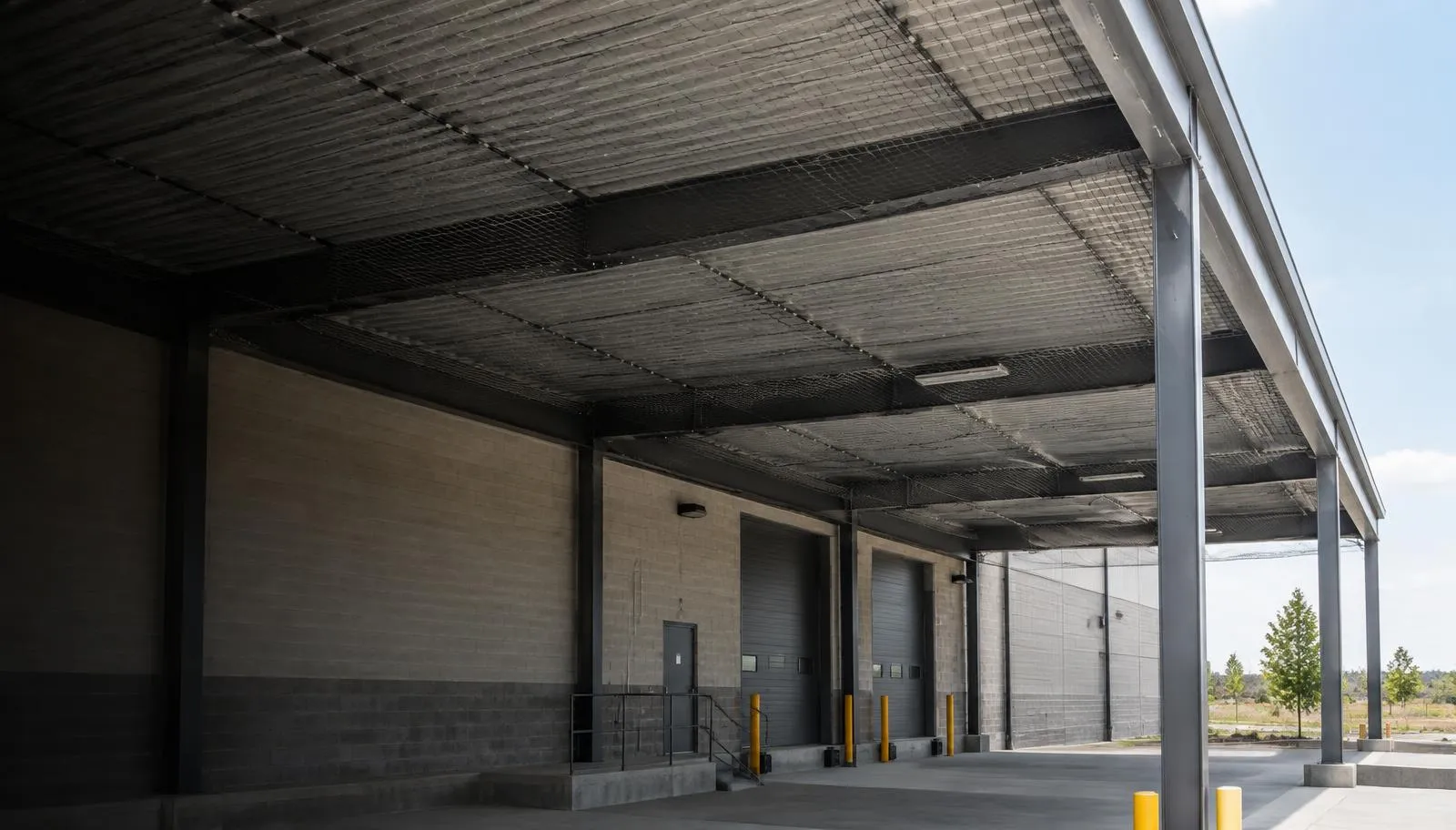
Do not treat contamination as ordinary rubble
A building with heavy bird droppings or mold needs a demolition plan that considers the contamination before the structure is broken apart. Uncontrolled disturbance can spread dust and debris beyond the original area. The question is not only how to remove the building. It is how to address the hazard, protect the surrounding property and handle waste properly.
Hazardous building demolition is a secondary HazMit service for structures with heavy bird waste or mold. Cleanup comes first where the safe work plan allows, followed by controlled demolition and debris handling. An unstable structure may limit access and change the sequence. No one should enter a dangerous building just to collect photographs or estimate the amount of contamination.
Start with records and a safe assessment
Property records, existing surveys, photographs taken safely and a description of how the building was used help start the conversation. Explain any known water damage, bird activity, collapse, fire or previous work. Do not assume that what can be seen from the doorway describes every condition inside the structure. Hidden materials and structural defects may change the plan.
OSHA emphasizes planning and hazard awareness for demolition work. Additional regulated-material findings or specialist requirements must be resolved before work proceeds. This is not a blanket offer to remove every building hazard. The assessment identifies the proposed scope, access limits and dependencies so the property owner can understand what is needed before approval.
Confirm structural stability and utility safety
The building must be assessed for stability and a safe work sequence. Walls, roofs and floors can behave differently once support is removed. Previous damage or decay may make normal access unsafe. Nearby buildings, roads and occupied spaces also matter. A demolition plan should not rely on guesswork about what will remain standing during each stage.
Utilities require coordination before structural work begins. The scope should identify who is responsible for disconnection or other required arrangements. The property owner should also establish the necessary permissions and approvals. Scheduling demolition before those dependencies are resolved can create avoidable risk and delays. HazMit explains the conditions that must be met for its agreed work to proceed.
Plan bird waste or mold cleanup first
Heavy accumulated bird waste can create airborne dust and fungal exposure risks when disturbed. The site plan considers access, containment, protective equipment and waste movement. Nests and active birds need species-aware legal checks before removal or exclusion. Protected species, eggs or nestlings can require a different timeline or authorization.
Mold-affected materials also need controlled handling. Containment separates the work area from nearby spaces, and the removal approach depends on the materials and conditions. Cleaning does not make a structurally unsafe building safe to enter. Hazard cleanup and structural planning must work together instead of one team assuming the other has resolved all risks.
Decide what will happen to debris
Debris routes, containers, loading arrangements and disposal destinations should be part of the written scope. Contaminated waste should not be spread across clean occupied areas while waiting for removal. The plan needs to distinguish the agreed contamination handling from other materials that may require specialist assessment or treatment.
Ask what documentation will be provided for completed cleanup, demolition and disposal. Records should describe the work actually performed. They should not imply that a property passed every inspection or that all potential hazards were removed unless that is established by the scope and applicable requirements. Clear documentation helps the owner coordinate the next stage of the property project.
Understand what affects price and timing
Building size, condition, access and the depth of contamination all affect the job. Working around neighboring structures or active operations may require additional coordination. Utility arrangements, approvals, waste handling and specialist dependencies can affect timing. A photograph is useful background but not enough to establish a complete demolition price.
Ask for a written scope with the assumptions and exclusions stated clearly. A free on site assessment is the right starting point for HazMit's proposed work. If the structure can be retained, bird cleanup and exclusion or mold remediation with moisture prevention may be the more appropriate core service. Demolition should not be presented as the automatic answer to every contaminated room.
Coordinate the next property stage
Explain whether the site will be rebuilt, sold or left clear after demolition. That does not change the need for safe cleanup, but it helps clarify the handoff and records the owner needs. Keep approvals, utility arrangements and the agreed scope together. If conditions change before work starts, review the plan rather than assuming the original assumptions still hold.
A property-owner checklist before the call
Gather the city or ZIP, building type, known contamination, records and safe photographs. Note access restrictions and whether people still use nearby areas. Describe known utilities, structural damage and any approvals already arranged. Do not disturb deposits, move nests or enter damaged spaces to improve the information you can send.
HazMit is a mobile service based in Columbus, Indiana, covering Central and Southern Indiana. Call during Monday to Friday, 9:00 AM to 5:00 PM, or submit the quote form anytime. We reply within one business day. Ask for a free assessment so cleanup, structural removal and debris disposal are planned together, with clear responsibilities before anyone begins disturbing the building.